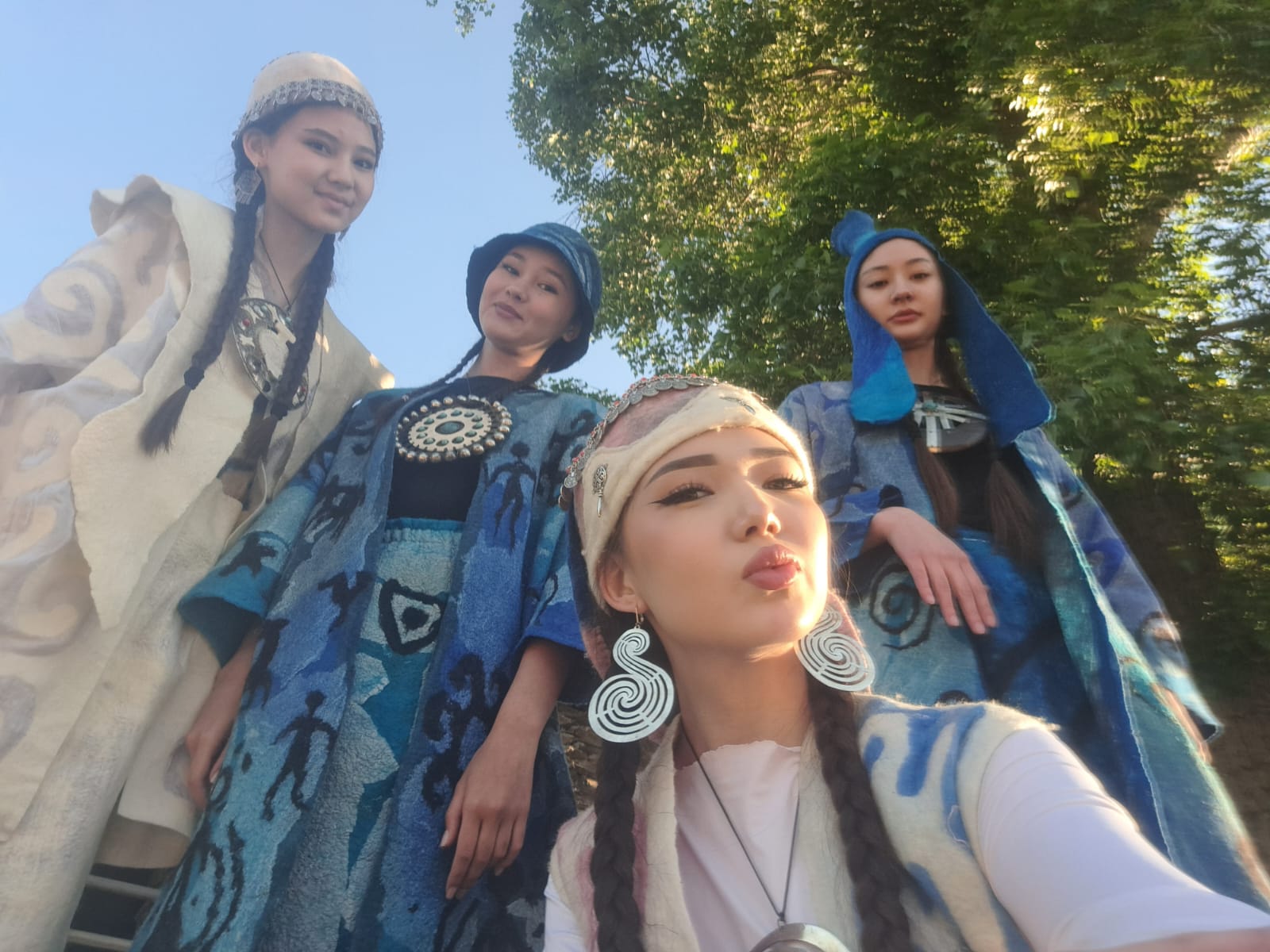
Fashion, Textiles & Adornment
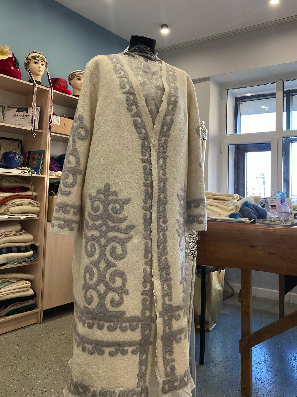
When your references start to feel familiar, change the source.
A creative research and inspiration experience for fashion, textile, adornment and material-led practitioners.
Online research can show you the image. It cannot fully reveal the material, process, person or place behind it.
Across five days in Almaty, step closer through practitioner encounters, guided making, cultural context and close observation. Return with a richer source library—and fresh questions and directions for your own practice.
Price: £1,995 per person
Five-day programme. International flights excluded.
A PLACE TO DISCOVER
Why Kazakhstan? Why Almaty?
Where living traditions meet contemporary practice. A journey into the materials, makers and cultural stories shaping a new creative perspective.
A living tradition. A contemporary lens.
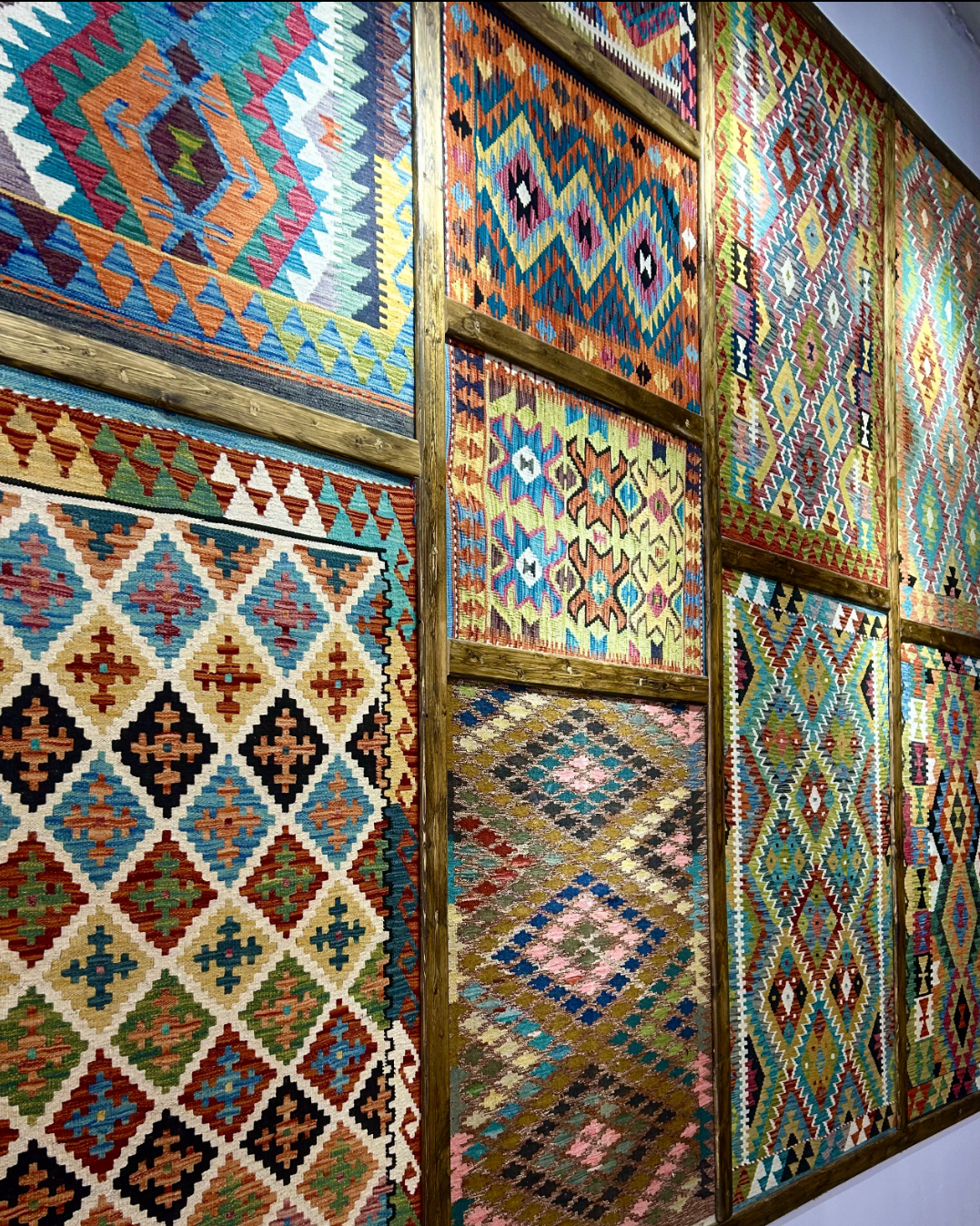
Kazakhstan offers a rich visual and material language shaped by felt, embroidery, weaving, jewellery, dress and ornament. These practices can be encountered not only in collections, but through the people who continue to make, adapt and reinterpret them.
In Almaty, practitioner studios, museums and cultural spaces bring inherited techniques into conversation with contemporary fashion, art and design.
That gives you more than new images. It offers material, process and cultural context—a deeper foundation for your own creative research.
“
The craft leads.
The city gives it context.”
What you'll explore.
This is not about mastering one technique or producing a finished object.
Some encounters are hands-on. Others are demonstrations, studio conversations, cultural visits or guided observation.
01
Felt & Wool
explore traditional and contemporary approaches to felt, texture, form and wearable design.
MATERIAL & FORM
02
Embroidery & textile storytelling
look closely at stitch, colour, composition and how textile surfaces carry visual meaning.
STITCH & STORY
03
Jewellery & adornment
explore ornament, materials and the relationship between jewellery, styling and the body.
OBJECT & IDENTITY
04
Örmek weaving & dress
encounter weaving, traditional clothing and the ways heritage techniques continue into contemporary making.
WEAVING & HERITAGE
05
Contemporary culture & visual research
use Almaty’s art, design, hospitality and wider cultural context as part of your creative research.
OBSERVE & INTERPRET
Saltanat Zhaparova
As President of the Union of Ethnodesigners of Kazakhstan, Saltanat leads work to develop ethnodesign and the country’s creative industries, preserve and promote cultural heritage, and build educational and international partnerships. Her work connects the knowledge held by makers with opportunities for it to be taught, practised and seen more widely.
She has led international projects across Europe, Türkiye, China and Central Asia, and supported World Craft Cities initiatives in Almaty, Taraz and Turkistan. An academician of Kazakhstan’s National Academy of Design, she has also received the Daryn State Youth Award.
Saltanat coordinates the Kazakhstan side of this Creative Intensive. Her involvement brings experienced local judgement and a deep commitment to the people and practices guests will encounter.
Салтанат Жапарова
Қазақстан Этнодизайнерлер одағының президенті ретінде Салтанат этнодизайн мен елдің креативті индустрияларын дамыту, мәдени мұраны сақтау және кеңінен насихаттау, сондай-ақ білім беру саласындағы және халықаралық серіктестіктерді нығайту бағытындағы жұмыстарға жетекшілік етеді. Оның қызметі қолөнершілердің тәжірибесі мен білімін оқытуға, тәжірибеде қолдануға және кең аудиторияға таныстыруға мүмкіндік беретін бастамаларды біріктіреді.
Ол Еуропа, Түркия, Қытай және Орталық Азия елдерінде халықаралық жобаларды жүзеге асырып, Алматы, Тараз және Түркістан қалаларында «Дүниежүзілік қолөнер қалалары» бастамаларын қолдады. Қазақстанның Ұлттық дизайн академиясының академигі, сондай-ақ «Дарын» мемлекеттік жастар сыйлығының иегері.
Салтанат осы шығармашылық интенсивтің Қазақстан тарапындағы жұмысын үйлестіреді. Оның қатысуы жергілікті тәжірибе мен кәсіби көзқарасты, сондай-ақ қатысушылар танысатын адамдар мен дәстүрлі қолөнер тәжірибелеріне деген терең құрметті білдіреді.
Meet the Practitioners
Meet Kazakhstan-based artists, designers, educators and specialist makers whose knowledge has been shaped through years of practice.
Across contemporary ethno-fashion, felt, embroidery, jewellery and örmek weaving, they offer more than demonstrations. They can reveal the decisions behind the work, explain where materials and symbols come from, share the stories carried through their practice and show how inherited knowledge continues to evolve.
Observe processes at close range. Ask questions. Exchange ideas. Discover creative possibilities that a finished image alone could never reveal.
Anargul Narbotanova
Contemporary Ethno-Fashion Designer
Анаргүл Нарботанова
Заманауи этно-сән дизайнері
Anargul’s relationship with clothing began in childhood, when her mother bought her a sewing machine and encouraged her developing skills.
After studying at sewing college, she joined Almaty’s First of May association and rose to become the head of a workshop. Today, she is a member of the Designers’ Union, creating wool clothing and fashion collections that bring traditional forms and Kazakh visual language into a contemporary ethno-style. Her recognition includes the Grand Prix at the 2021 TAIKAZAN Republican National Clothing Competition.
Her career spans formal workshop production and independent creative practice. Through her work, participants can explore how material, silhouette and ornament carry cultural memory—and how those references can be interpreted for the present without simply reproducing the past.
“My goal is to refine craftsmanship, especially national ethnic clothing, in accordance with modern trends and to introduce it to the world.” – Anargul Narbotanova
Creative lens: material, silhouette, ornament, reinterpretation.
Yernur Azatuly Karibayev
Ернұр Азатұлы Қарібаев
Yernur is an artist, jeweller and educator whose practice brings together contemporary jewellery, Kazakh ornament and the restoration and modernisation of horse-equipment-making techniques.
Working with natural materials including silver, wood and leather, he explores how inherited forms and ornamental language can move into contemporary fashion and object design. His knowledge reaches beyond the polished final piece into the tools, construction methods, surface decisions and material choices that make it possible.
For participants, this is an opportunity to examine how an idea travels from cultural reference to physical form. Yernur’s practice can open conversations about symbolism, proportion, the relationship between ornament and function, and how traditional knowledge may continue without becoming frozen in time.
From inherited ornament to contemporary object.
Creative lens: scale, detail, symbolism, construction and material form.
Bakytzhan Turdakhynkyzy Qasymzhanova
Бақытжан Тұрдахынқызы Қасымжанова
Bakytzhan leads the Ak Kiyiz artistic felt-making studio at the Palace of Schoolchildren in Almaty and is a member of the Union of Ethno-Designers.
She works with natural merino wool, felt, silk and viscose, transforming them into ornamented headwear, shawls, panels, jewellery, vests and other wearable forms. The breadth of her practice shows how one material can move between clothing, object, image and decorative surface.
Through Bakytzhan’s work, participants can look closely at how loose fibre becomes structured felt, how traditional ornament is introduced into the surface and how colour, texture and embellishment alter the character of the finished piece. It is a chance to encounter a familiar material through the hands and knowledge of someone who works with it deeply.
“I create various everyday items made from natural merino sheep wool, felted and decorated with traditional national ornaments.” – Bakytzhan Turdakhynkyzy Qasymzhanova
Creative lens: material transformation, texture, surface, ornament and wearable form.
Kalemhan Rakhmetbaikyzy
Кәлімхан Рахметбайқызы
Kalemhan is a recognised master of biz keste, a Kazakh form of tambour embroidery that she has helped carry into contemporary artistic practice.
Her embroidery-paintings bring together figures, animals, landscape, colour and traditional ornament. Rather than treating embroidery as decoration alone, she uses stitch to construct complete visual narratives. Her work has appeared in national and international exhibitions and is recorded in collections across Turkey, France, Germany, India, the United States and Russia.
Kalemhan also conducts masterclasses and has developed students and followers of the practice. Participants therefore encounter more than a technique: they meet an artist and educator who has helped demonstrate how an inherited textile language can become a form of contemporary image-making.
“Her compositions are self-sufficient and philosophically enriched.”
— Association dossier review
Creative lens: colour, stitch, image-making, symbolism, narrative and composition.
Salima Usibaliyeva
Сәлима Усибалиева
Salima’s practice brings together fine-art education, traditional handicraft and a sustained commitment to teaching.
She trained in Fine Arts and Drawing, later worked as a university lecturer and earned a Master of Pedagogy. Across her career, she has trained numerous students and apprentices while working to revive örmek, a traditional Kazakh weaving technology described as nearly being forgotten.
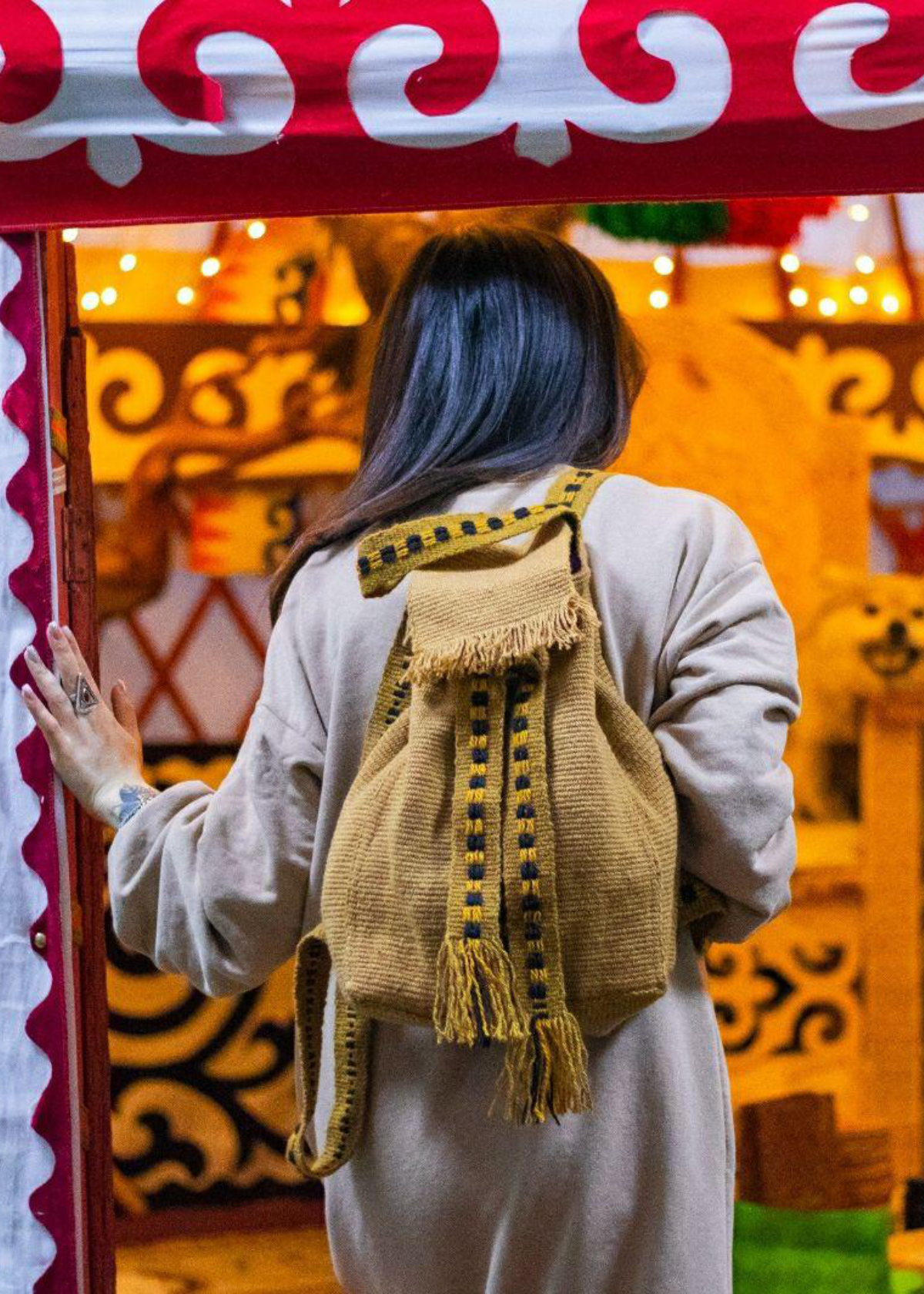
Her work reveals that weaving begins long before the loom. Fibre must be prepared and spun; the warp must be measured, organised and tensioned before woven bands and panels can emerge. Those structures can then move into contemporary hats, bags, backpacks and other wearable forms.
For participants, Salima offers both technical knowledge and the perspective of an experienced educator: someone able to explain not only how a process works, but why its sequence, discipline and continuation matter.
A weaving practice carried forward through making and teaching.
Creative lens: fibre, preparation, structure, weaving, pedagogy and contemporary application.
Nurdos Aliaskarov
Нұрдос Әлиасқаров
Nurdos brings Kazakhstan’s nomadic heritage into contemporary jewellery, creating handmade pieces in silver, gemstones and enamel. Founder of Nurdos Jewellery, he has exhibited across Asia and Europe. His distinctive approach offers a fresh perspective on how cultural traditions can inspire modern adornment.
Five-Day Programme
Five days. Five different ways of looking.
The programme unfolds as a creative journey—not a checklist. You’ll move from cultural context and visual language into materials, making, place, adornment and contemporary design.
Some encounters are practical. Others take the form of demonstrations, studio conversations, cultural visits and guided observation. Throughout the week, you’ll gather references, ask questions and consider how these experiences might inform your own creative practice.
Day 1 — Context & visual language
Enter the visual language.
Begin by looking closely at Kazakh dress, textiles, jewellery, felt, ornament and object culture. A visit to one of Almaty’s cultural institutions introduces the forms, materials and symbols that have shaped the country’s visual identity.
In the afternoon, designer Anargul Narbotanova brings these references into the present. Through her work in fashion, textiles and contemporary ethno-design, you’ll explore how traditional motifs, wool, garment forms and cultural identity can be interpreted without simply reproducing the past.
You’ll finish with a guided visual-research exercise—collecting patterns, silhouettes, textures and details that caught your attention—before coming together for a relaxed welcome dinner.
You’ll experience:
- Kazakh dress, adornment, textiles and material culture
- Contemporary ethno-fashion with Anargul Narbotanova
- Guided observation, sketchbook research and group reflection
Look closely. Gather what draws you in. Let the week begin.
Day 2 — Felt, embroidery & surface
Move from looking to making.
Spend the day exploring how patient, repeated handwork transforms fibre and thread into something expressive. This is an opportunity to get closer to the materials—to feel their resistance, notice their possibilities and understand the knowledge carried within each process.
In the morning, Bakytzhan Turdakhynkyzy Qasymzhanova introduces the possibilities of felt. Through demonstration and practical activity, you’ll explore how wool can become surface, ornament, form and wearable design.
The afternoon turns to biz keste embroidery with Rakhmetbaikyzy Kalemhan. Discover how stitch can operate like drawing or painting—building colour, rhythm, symbolism and story across a textile surface.
You’ll experience:
- Practical felt-making with wool, texture and ornament
- Biz keste embroidery and textile art
- Two distinct approaches to transforming simple materials through the hand
Touch the material. Follow the process. Notice what begins to emerge.
Day 3 — Place & visual research
Let the place widen your frame.
Begin at the Almaty Museum of Arts, encountering contemporary Kazakh art and the ideas, images and questions shaping creative practice today. The visit connects the materials and traditions explored earlier in the week with Almaty’s evolving artistic identity.
In the afternoon, move beyond the museum for a cultural field experience selected according to the season, local access and the interests of the group. This may take you into the world of falconry, rural hospitality and kumis production, or another experience connected to Kazakhstan’s living culture and creative traditions.
This is also a day for gathering: photographing, sketching and recording colours, clothing, landscapes, objects, gestures and unexpected details that might find their way into your own work.
You’ll experience:
- Contemporary Kazakh art and visual culture
- A carefully selected cultural experience beyond the usual visitor trail
- Guided photography, sketching and visual documentation
Look beyond the object. Notice the place, the people and the stories surrounding it.
Day 4 — Adornment & contemporary design
Consider what we wear—and what it communicates.
Begin by bringing together the week’s observations of dress, surface, ornament and contemporary visual culture. Through fashion, styling and studio perspectives, you’ll consider how inherited references can move into present-day creative practice.
The afternoon focuses on jewellery and adornment with Yernur Azatuly Karibayev. Explore how silver, leather, wood and Kazakh ornament are shaped into objects worn on the body—and how scale, material, movement and placement can alter the way a garment or person is perceived.
This is not only about decoration. It is an invitation to think about jewellery as identity, storytelling and a conversation between cultural memory and contemporary design.
You’ll experience:
- Kazakh jewellery, ornament and material processes
- The relationship between adornment, styling and the body
- Contemporary approaches to interpreting cultural references
Look beyond the object. Notice the place, the people and the stories surrounding it.
Day 5 — Weaving, dress & continuation
Bring the threads together.
Begin the final day with Salima, exploring traditional clothing and the techniques of örmek weaving. Through demonstration and a small participatory element, you’ll look at woven structure, pattern, garment form and the relationship between textile technique and dress.
The afternoon offers a closing creative encounter shaped around the size of the group. A smaller group may visit the Nurdos jewellery studio for an intimate look at tools, materials and contemporary craftsmanship. A larger group may take part in a traditional-dress presentation and styling lab, exploring silhouette, layering, accessories, symbolism and contemporary interpretation.
Only one afternoon experience will be included, allowing it to remain personal, practical and appropriate for the group.
The week concludes with time to reflect on what you have gathered—and what you might carry into your own work—followed by a shared closing dinner.
You’ll experience:
- Örmek weaving and traditional clothing with Salima
- A group-specific contemporary jewellery or dress experience
- Reflection, creative synthesis and ideas for continuing independently
The intensive ends. The work it inspires is only beginning.
Programme note: The itinerary is provisional and may change according to practitioner availability, venue access, season and group size. Any changes will preserve the programme’s central focus and overall quality.
What You Take Home
Not a souvenir. A new source library.
After five days, you can expect to take home:
- A personal visual and material source library of sketches, photographs, notes, colours, forms and details gathered firsthand
- closer understanding of felt-making, biz keste embroidery, örmek weaving, traditional dress and adornment through demonstrations and practical encounters
- insights and stories from practitioners about how techniques are learned, preserved, adapted and reinterpreted today
- greater awareness of cultural context, authorship and the thoughtful use of references within your own work
- new questions, material ideas and creative directions that you can continue developing independently
The strongest creative trips do not tell you what to make next. They change what you notice.
Who It’s For
Creative practitioners looking for fresh reference points.
It may be especially relevant to:
- fashion, textile, jewellery and adornment practitioners
- material-led artists, designers and independent makers
- stylists, costume practitioners and image-makers
- photographers and art directors interested in dress and identity
- students, recent graduates, educators and researchers
- multidisciplinary creatives exploring heritage and material culture
It may be right for you if you want to:
- move beyond familiar online and Western reference sources
- encounter materials, objects and techniques firsthand
- learn through conversations with practising artists and makers
- gather research without being directed towards a prescribed outcome
- reconnect with your practice or discover a fresh creative direction
- engage with cultural references thoughtfully and with greater context
You do not need prior knowledge of Kazakhstan or advanced sewing and garment-construction skills.
Curiosity, respect and a willingness to look closely matter more.Choose Your Dates — 2027
June
7–11
July
12–16
August
9–13
September
6–10
December
6–10
Dates remain provisional while practitioner and venue arrangements are finalised.
Small groups. Real access.
These intensives are intentionally limited to 8–10 participants.
A smaller group creates better conversations: more time with practitioners, more opportunities to ask questions, easier movement between locations and enough breathing room to look closely.
You can travel to Kazakhstan independently. What is harder to assemble alone is a connected creative journey—knowing who to meet, which practices and places matter, how to arrange meaningful access and how to navigate language and cultural context.
Atlas & Nation brings those elements together. We curate the people, places and sequence; coordinate programme logistics and transport; and provide language support where required.
You can concentrate on seeing, listening, questioning and documenting. We take care of the structure around you.
This is not crowded sightseeing or a coach-tour version of culture. It is carefully arranged access, meaningful context and enough space to notice.
Frequently Asked Questions
What exactly is a Creative Intensive?
A Creative Intensive is a focused five-day research and inspiration experience for creative practitioners. Rather than following a conventional classroom course, you move between cultural context, practitioner encounters, hands-on exploration, observation and reflection — using Almaty as part of the research environment. The aim is not to teach you everything about Kazakh fashion or textile traditions in five days. It is to give you meaningful access, context and new material to think with.
Do I need advanced making or sewing skills?
No advanced technical mastery is expected. Some sessions may involve hands-on experimentation, while others are demonstrations, conversations, cultural visits or visual-research experiences. The programme is about curiosity, observation and engagement rather than proving technical ability.
Will I make a finished garment or object?
That is not the central goal. A short workshop can introduce a material, process or way of thinking, but it cannot transfer a lifetime of specialist knowledge. You may create samples, sketches, material studies or other experimental responses, but the wider outcome is a richer body of research and new directions to continue developing afterwards.
Is this only for fashion designers?
No. The programme sits across fashion, textiles, adornment, image and material culture, so it may also appeal to textile artists, jewellery practitioners, stylists, costume creatives, photographers, art directors, makers and multidisciplinary practitioners. What matters most is an interest in how material, dress, culture and visual research can influence your own practice.
Who will lead the sessions?
The programme is being developed around Kazakh practitioners, makers and cultural voices working across areas such as felt, embroidery, weaving, jewellery and contemporary ethnodesign. The people featured on this page represent the current programme direction. Final contributors, venues and session formats will be confirmed before the programme opens for booking.
Can I photograph and share everything I see?
Not necessarily. Part of working respectfully with living cultural practice is understanding when photography, publication or reuse is appropriate. Participants should expect some people, objects, processes or spaces to require permission before being photographed or shared publicly.
What does “Register Interest” mean?
Registering interest is the first step, not a booking. It allows you to receive programme updates, confirmed dates and the full participant information once the next cohort is ready.
What about dates, price, accommodation and travel?
The price is £1,995 per person for the five-day programme, excluding international flights. Final dates, inclusions, accommodation arrangements, participant information and booking terms will be confirmed before bookings open. For now, the page is designed to help you understand the experience and decide whether you would like to hear more.
Change the source. See where it takes your work.
Five days in Almaty. New materials, visual references, conversations and questions.
Step outside your familiar creative environment and encounter Kazakhstan’s fashion, textiles and adornment through the people, practices and places that continue to shape them.
You do not need to arrive knowing what you will make afterwards. That is part of the point.
Come curious. Look closely. Ask questions. Take the inspiration home.
Register to receive confirmed programme dates, availability and participant information as soon as they are released.
Register your interest to receive confirmed programme dates and participant information as the first cohort develops. Registration is free and non-binding. No payment is required.